Units
The body of every deck. Each unit carries one affiliation, and that decides the only section it can be placed in.
How to play
Short on purpose. Every rule and every number is on the reference page, and you can ask it a question there.
Two players, one deck each. A match runs to three rounds and the first to win two takes it. Each round goes to the higher total power on the board — and every unit is locked to one of three sections, which is what turns building that power into a decision. Below: the board, the card, and everything the game actually contains.
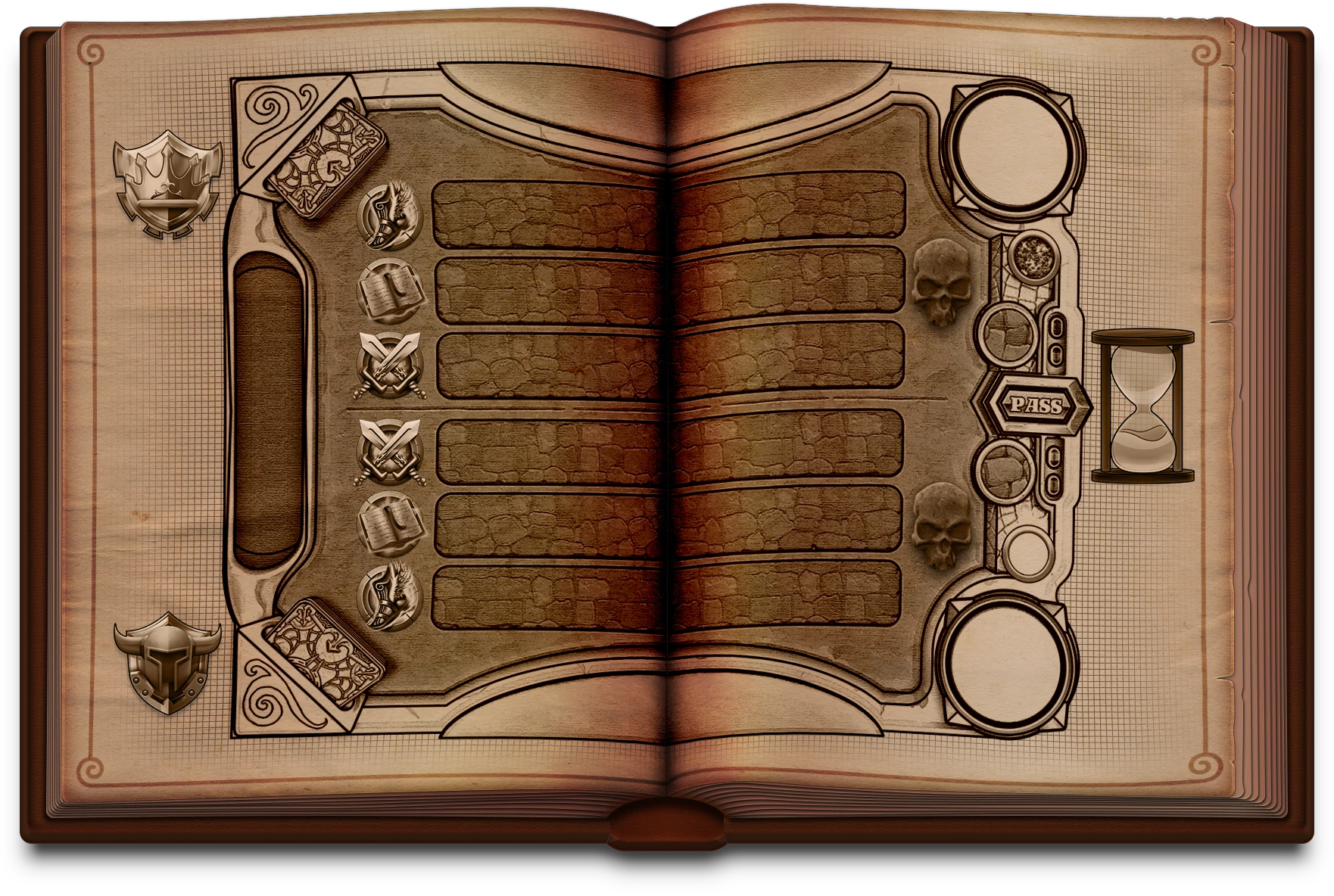
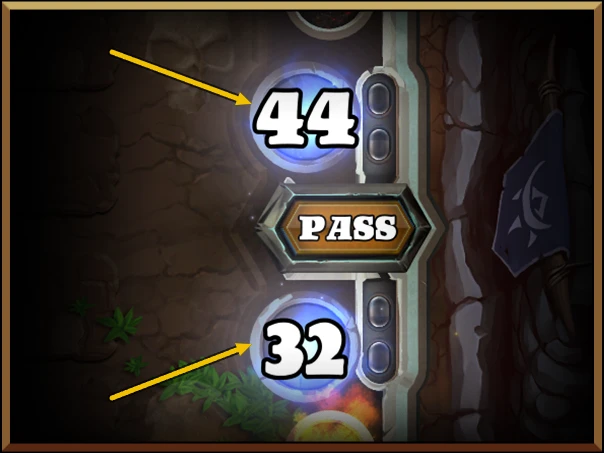
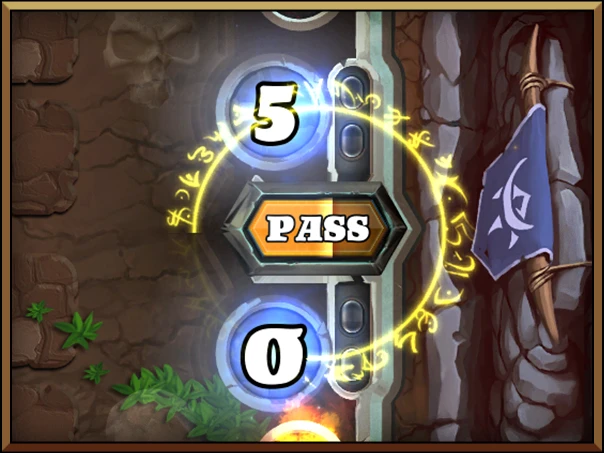
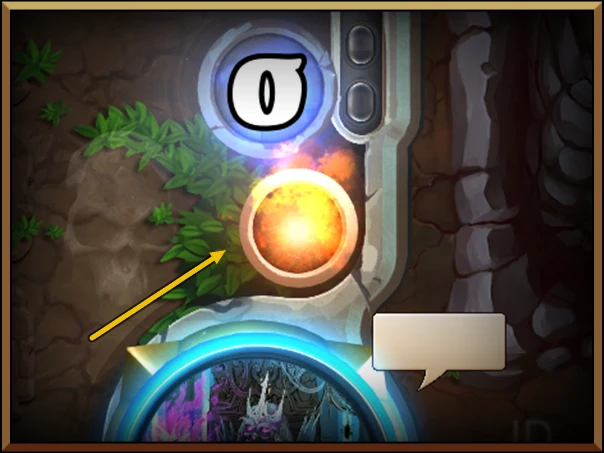
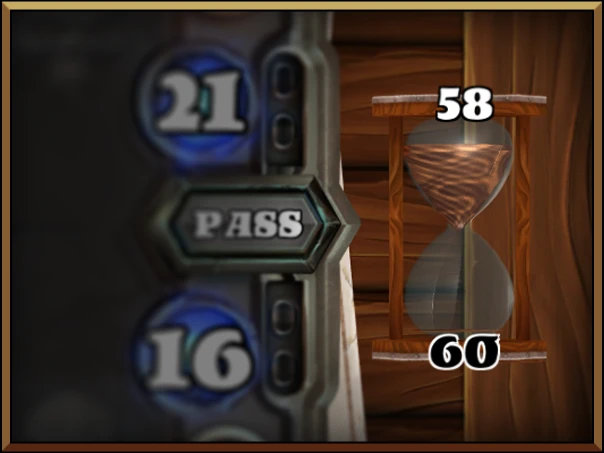
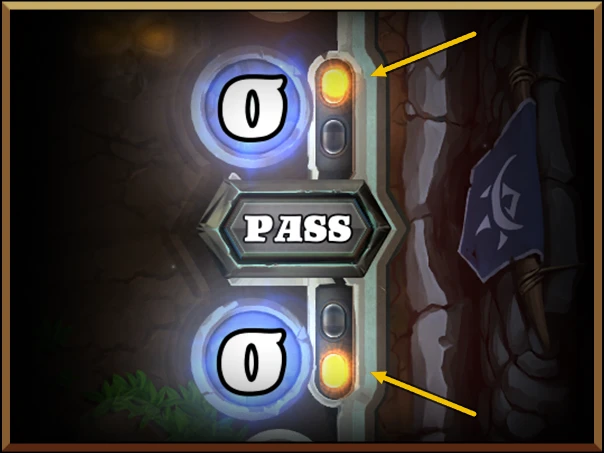
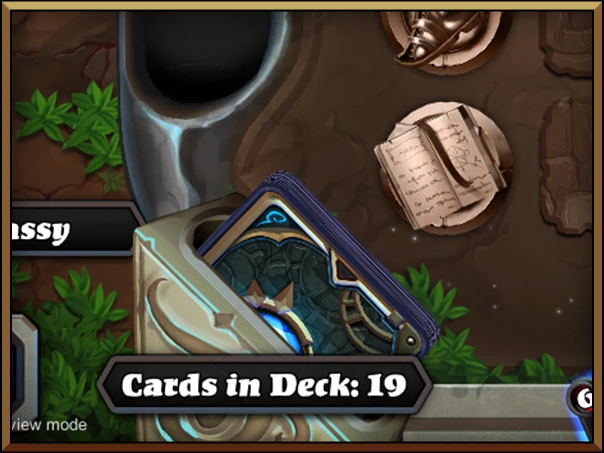
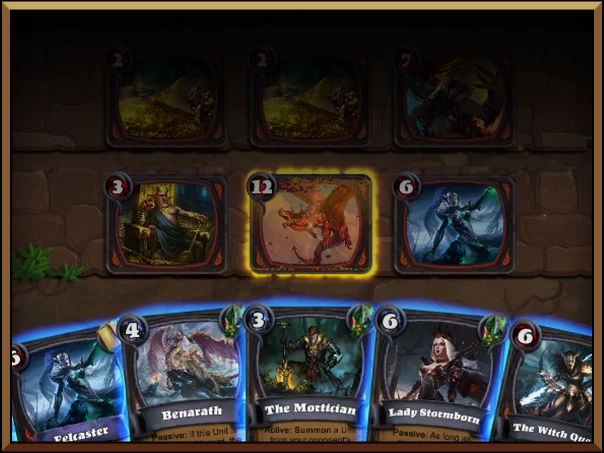
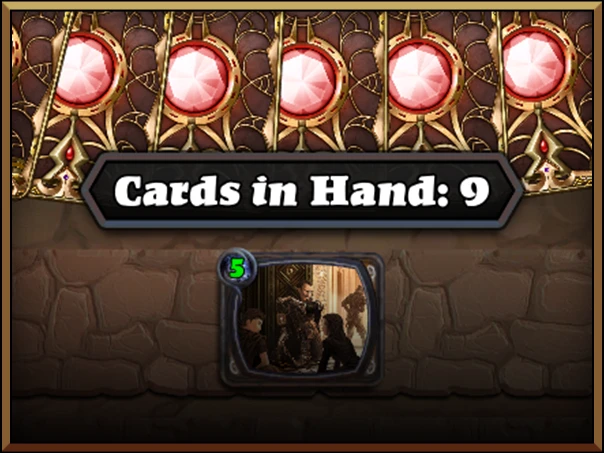
This is the game's own schematic, from the glossary in the client. Pick a part of the board and the page on the right explains it.
 Pick a marker
The board
thirteen parts, marked
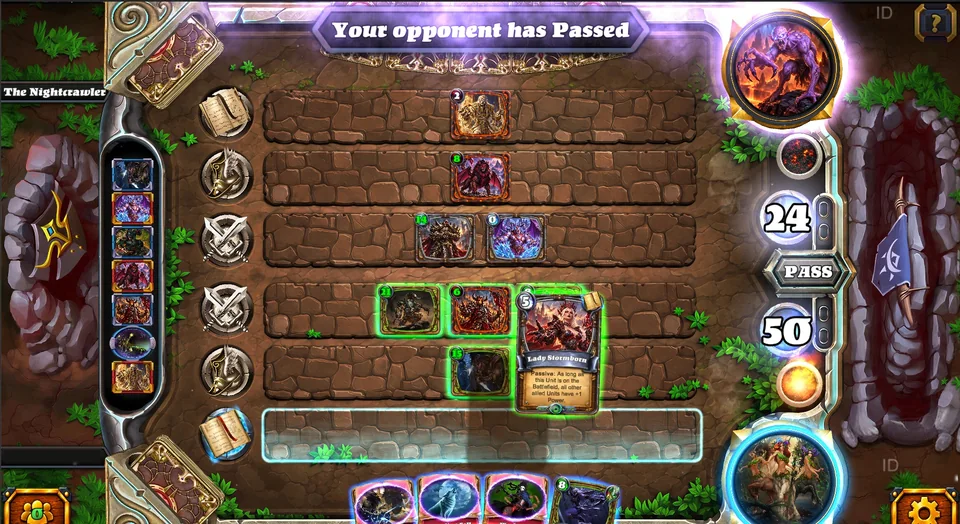
Three territories, two players, and one rule that decides everything: a unit goes where its affiliation says and nowhere else.
The illustrations are the game's own. Only the Total Power wording is taken from the game itself; the rest is descriptive. Player rank is left off deliberately, since ranked play is switched off.
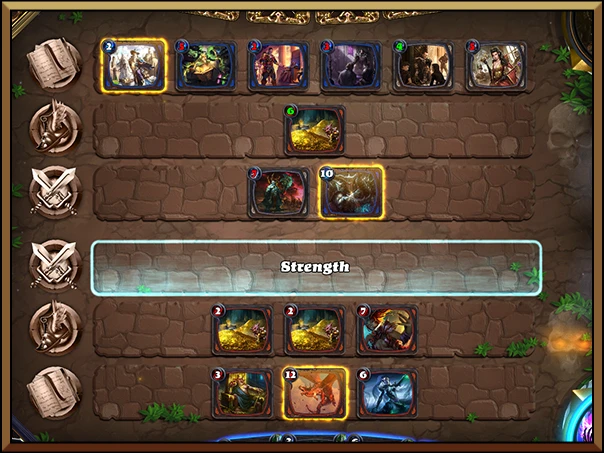
The affiliation on a card is not a suggestion. Six rows, three sections, one row each side — and a card can only enter the section it belongs to. Play a card and watch the other two close, and the score on the right move.
Drag a card onto a row — or tap the card, then the row. Only one row will take it, and the number on the right is the whole score.
Opponent
 Intelligence
 7
7 5
5 9
9 Agility
 4
4 6
6 3
3 8
8 5
5 7
7 Strength
 12
12You
Strength
 10
10 6
6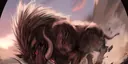 8
8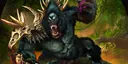 4
4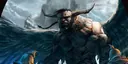 7Agility
 5
5 3
3 9Intelligence
 4
4 6
6 2
2 4
4Your hand
Pick a card, and the board will show you the one row that takes it.
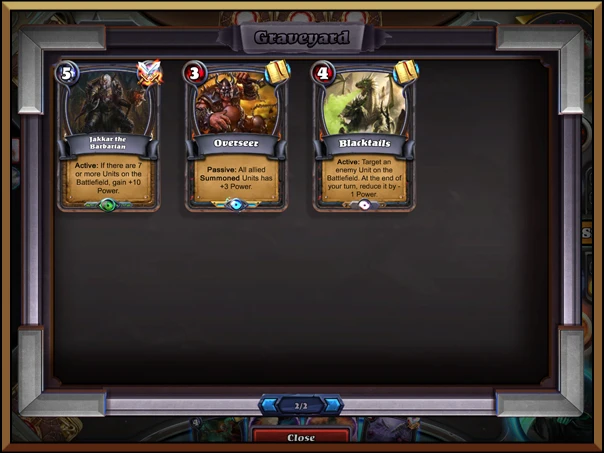
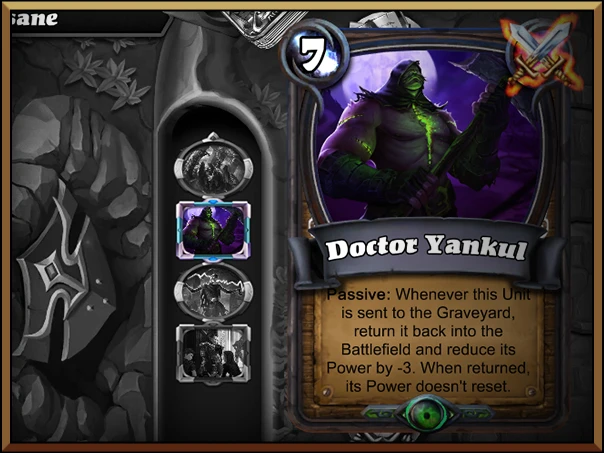
Three kinds of card, and 242 of them in total.
The body of every deck. Each unit carries one affiliation, and that decides the only section it can be placed in.
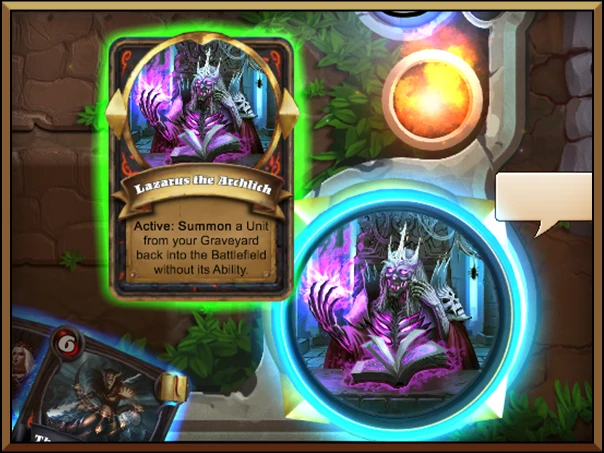
One hero per deck, and each of the seven has an ability nobody else has. Choosing the hero is the first decision you make about a deck.
Played for effect rather than for presence on the board.
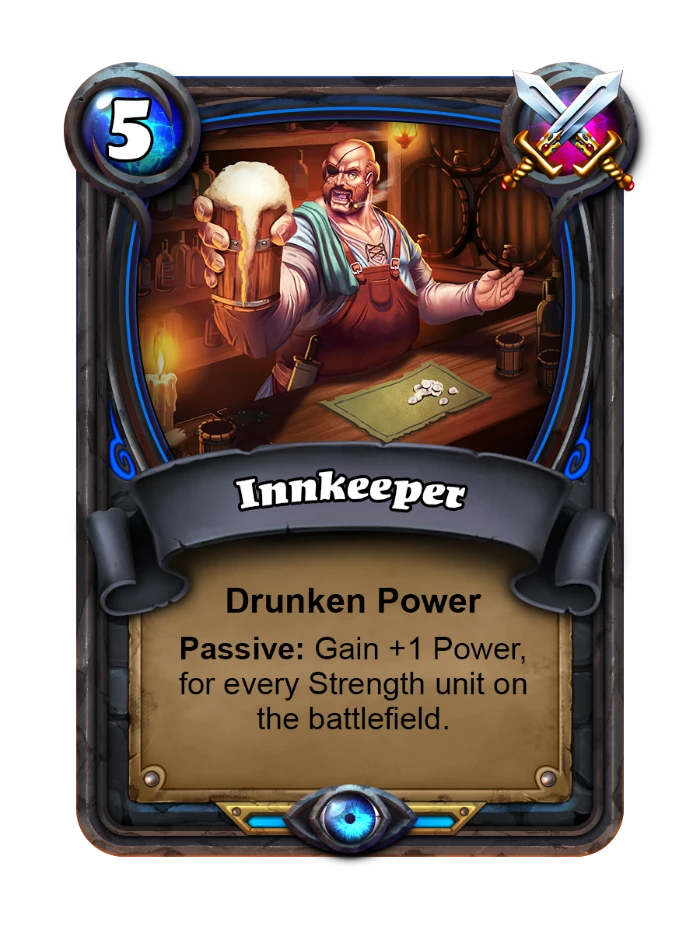
A card carries everything a placement decision needs: what it is worth, where it is allowed to go, and what it does once it is there. This is a real card from the game — Innkeeper, a Humans card carrying the Strength affiliation, which is the clearest way to see that the two are not the same thing.
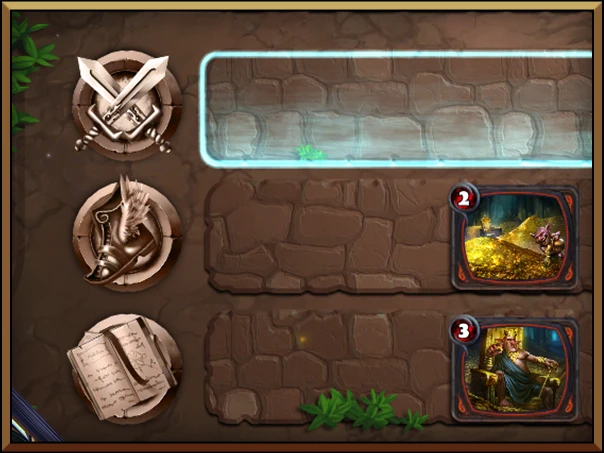
The game's own marks. One sits on every unit card, and it is the only thing that decides where the card can go.
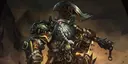
Each carries a unique ability, and the hero you pick is the first decision you make about a deck. Four of the seven illustrations are ready for the web.
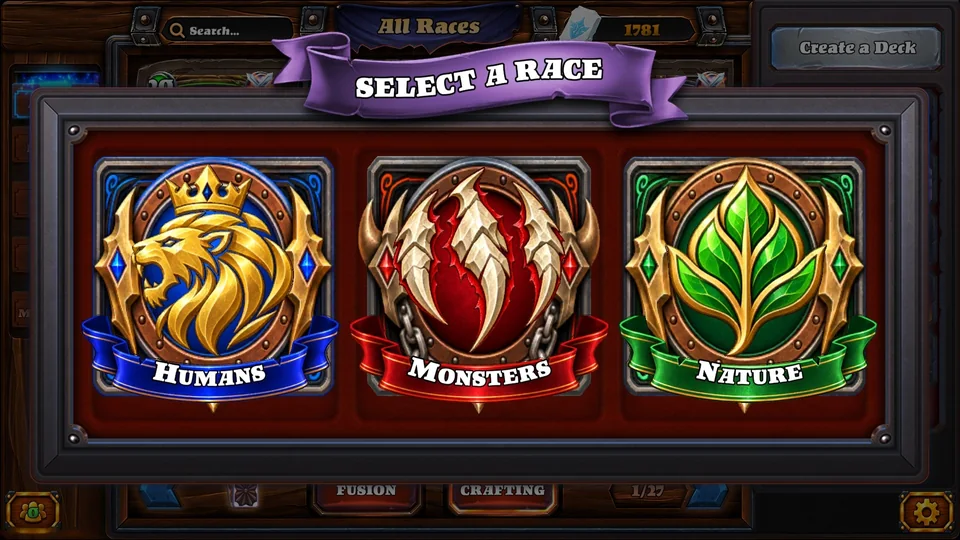
Build an army with Monsters, use powerful spells with Humans, or control the battlefield with Nature. Mercenaries are a shared pool rather than a faction you commit to.
Three modes, all of them working today.
Single-player, three acts of five chapters each, with painted story cutscenes between them.
Escalating difficulty against the AI. Where you find out whether a deck holds up.
Matches against other players.
Friend battles are built and currently being tested. There is no ranked ladder. It is deliberately switched off until there are enough players for it to mean anything.
Three rounds, one hand, and a single number that settles each of them. Every figure below is read from the game itself.
Win two rounds and it is over. A third round is played only when the first two are split.
Not to whoever holds the most sections — every unit you have on the board is added into one number, and the larger number wins the round. Level totals credit the round to both players, which can end a match on the spot.
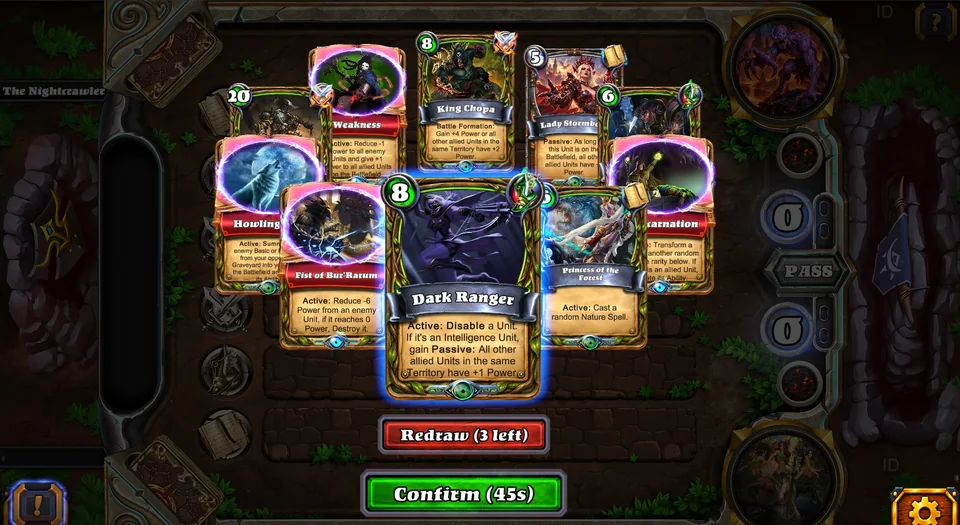
You open with ten. You draw two more at the start of round two, and two at the start of round three. That is the whole match. Anything you spend winning a round is gone for the next one, which is why passing early is a real move rather than a surrender.
Every unit on the battlefield goes to the graveyard when a round ends. Power does not carry; cards left in hand do.
Play a card or use your hero’s ability — the ability costs the turn, exactly as a card would, so you never do both. There is no cap on how many cards you may play across a round; the round runs until you stop. But pass and you are done for it, while your opponent carries on alone for as long as they like.
Affiliation is not a suggestion. A unit marked Agility enters Agility or it is not played at all — and each section holds six per side, so the room to build runs out.
Who moves first is decided by a coin toss. The player who loses the toss opens round two; the player who won it opens round three.
What carries over when a match ends.